Author: Matty Cardarople

  • Ali Borowsky Created a Box to Help People Survive—Now It’s a Global Mental Health Movement

    Ali Borowsky Created a Box to Help People Survive—Now It’s a Global Mental Health Movement

    CONTENT WARNING: THIS ARTICLE MENTIONS SUICIDE AND SUICIDE IDEATION.

    Hi Ali, I really appreciate the opportunity to interview you about the important and much-needed support system that Find Your Anchor gives. Before we dive into the details of the movement, I’d love to start by learning a little more about you. Where are you from?

    Hey there, Matty! Thank you so much for having me! I’m originally from Philly, but have slowly migrated west. I had a ten year pitstop in Chicago, before fleeing the polar vortex (yes, that was a real thing!) for Southern California back in 2019.

    1. For those that aren’t aware, what is Find Your Anchor? Can you tell us about the founding story of Find Your Anchor? What inspired its creation and how did the grassroots movement begin?

    Find Your Anchor is a grassroots movement (and nonprofit!) dedicated to suicide prevention, awareness, and education. We approach this work with creativity and a deeply personal touch, aiming to support those who are struggling and de-stigmatize conversations surrounding suicide and mental health. We’re fueled by the desire to save lives – believing in the power of creativity, small acts of kindness, and community to effect real change.

    Find Your Anchor was born out of my own lived experience. Frankly, I created it as a direct response to how sterile, corporate, and cold so many other mental health resources felt. In my darkest moments, I didn’t want a white hospital brochure with 1-800-numbers. I needed to know someone cared. I needed connection. Find Your Anchor was created by someone who gets it, someone who’s been there, by a stranger who cares.

    The core idea is that everyone needs an anchor – a dependable, stable, secure base to hold onto, something that keeps you grounded no matter what storms may come. Find Your Anchor doesn’t presume to be the anchor, or have all the answers. Instead, we set out to create a community of anchors, and we do that with the help of our little blue boxes.

    These boxes, sometimes referred to as “mental health first aid kits,” are packed with tangible materials designed to inspire and offer support. Items include a 52+ Reasons to Live deck of cards, an infographic on depression, list of resources, posters, stickers, a letter from a stranger who cares, a mixtape of uplifting music, a bracelet, and other sweet nothings – all infused with color, good vibes, and a personal touch.

    Find Your Anchor translates mental health support into something you can physically hold. Each box is a gift you can give to a loved one, a tool that can be pulled from a backpack, kept in a car, or placed on a friend’s desk when they need it most. It’s a curated experience, created by someone with lived experience. Our FYA box is so much more than a care package – it’s a catalyst for difficult conversations and a tangible tool in the fight to save lives.

    It all started very organically. I began creating these boxes and sharing them with friends, family, anyone I thought might benefit. Then I started launching them “out in the wild” for people to find – in the self-help section of the library, on a park bench, in a coffee shop, on a fish statue in Amsterdam. Everywhere. Anywhere. The response was immediate and powerful. It became clear that this kind of tangible, personal support was desperately needed. 

    From there, it grew into a grassroots movement, with more and more people joining in to help build boxes, spread the word, and support each other. We’ve now launched over 94,000 FYA boxes into schools, communities, and directly into the hands of those struggling, and we’re continuing to expand our reach every day.

    2. What role do community engagement and local partnerships play in the work that Find Your Anchor does? Can you share some examples of how local communities are involved in your efforts?

    Community engagement and local partnerships are fundamental to Find Your Anchor’s work. We’re incredibly aware that we cannot do this work alone. We can go so much further when we join forces for something powerful. Because of this, we regularly partner with organizations that complement our own to help us reach more communities in targeted ways. 

    One unique benefit of FYA boxes is their ability to be customized for specific geographic or demographic regions. With each partnership, we offer the option of customized resources. This means that every box sent to that partner is packed with resources unique to that location and/or the demographic our partner serves. This flexibility gives us maximum reach, because our focus in that partnership comes from the focus of our partners. We utilize their expertise in the region to make the most meaningful impact where they are.

    We’ve had so many partners help us reach more people than we ever could alone. One partnership we’re especially proud of is our work with Teen Mental Health First Aid / National Council for Mental Wellbeing. Together we’ve launched 10,000 boxes into over 100 high schools across the country. 

    Additional partners include: Lady Gaga’s Born This Way Foundation, San Francisco 49ers, Los Angeles Lakers, Minnesota Vikings, Comedy Gives Back, Las Vegas Raiders, Indianapolis Colts, Super Bowl Host Committee, MusiCares, Los Angeles Department of Mental Health, Verizon, Chicago Public Schools, Kevin Bacon’s Six Degrees, and Kate Spade New York. 

    Essentially, we see ourselves as part of a larger ecosystem of support. We’re not trying to be everything to everyone. There’s no one-size-fits-all solution. But by working closely with local communities, we can leverage their existing strengths, tap into their unique understanding of the local ecosystem, and ensure that our resources are reaching those who need them most. It’s about empowering communities to take ownership of their own mental health support and build a stronger, more compassionate network for everyone.

    3. Mental health and suicide prevention are deeply sensitive topics. How does Find Your Anchor approach these subjects in a way that encourages open dialogue and reduces stigma?

    We approach mental health as humans. I was once told that the FYA box felt like a hug from a friend, and to me that’s everything. 

    The people that request FYA boxes are not barcodes or insurance group numbers – they’re Mattys and Alis. Although everyone’s experience with mental health is different, at the end of the day we all share a common humanity. So our goal is to infuse humanity into everything we do at FYA.

    Beyond that, we use the power of creativity to approach these sensitive topics. Find Your Anchor’s whole brand is designed to be creative, visually appealing, and welcoming. 

    The Find Your Anchor boxes themselves also play a crucial role in opening dialogue. They’re not just a collection of items; they’re a conversation starter, a tangible expression of care, and a tool that can be used in a private, personal way. 

    We’re also all about anchors, which we define as the little things in life that bring you joy. They don’t have to be groundbreaking or obvious. Anchors can be steak tacos, a lazy Sunday, Home Alone 2: Lost in New York, a hot shower, pink Starbursts, an iced dirty chai, the smell of fresh laundry.

    My go-to anchors if I’m having a bad day: I want to come home, lay on the sofa, order Chinese food, and watch Sister Act 2. It’s not solving any of my problems. It’s just something to get you through another night, another two hours, another 10 minutes. 

    These seemingly small things can have such a huge ripple in someone’s life – especially someone who’s struggling.

    4. How does Find Your Anchor educate the public on identifying warning signs of suicide and supporting individuals in crisis? What resources or tools do you offer to individuals and communities?

    FYA boxes are catalysts for tough conversations around mental health. We’ve realized that a large barrier to help is the fear of the conversation itself, so we’re always focused on how we can use creativity to make a heavy conversion easier.

    Once that conversation is started, the box itself becomes a roadmap for support.

    Each FYA box includes a curated infographic on depression, complete with self care tips and recommendations for help. The infographic itself is thoughtfully designed and infused with color. It’s meant to transcend the impersonal “white hospital pamphlet” and educate people without making them feel like a statistic.

    Every FYA box we launch into the world also comes with two identical resource lists. We always include two because we encourage individuals to relaunch their boxes for someone new if/when they no longer need them. When they relaunch the box, they can hold onto one list and leave one in the box.

    For every large partnership we have, we also offer our partners the option to customize these resources. That way a school in Appalachia can receive localized resources that are relevant to them, while an LGBTQ+ center in Las Vegas can receive ones more focused on their needs.

    At the end of the day, our goal is to equip individuals (and communities!) with the knowledge and tools they need to offer support in a way that is both compassionate and effective. That starts with opening the door to conversations on mental health and ends with making people feel seen and valued. We believe that by empowering people to find their anchors we’re creating a grassroots network of support that can make a real difference in preventing suicide.

    For anyone struggling, here are a few resources to get you started:


    5. What has been the most impactful moment or success story you’ve experienced since starting the movement? How do you measure the effectiveness of your work in preventing suicides?

    Several years ago we stumbled on an article about a woman’s experience with a Find Your Anchor box. She was in Las Vegas for work and was in the car with her driver, Marques. The two made small talk for a while, until she asked him his plans for the weekend. He responded that he planned to take his life. Immediately, she canceled her meetings for the day.

    She just so happened to have a Find Your Anchor box in her purse. They went through the box together and the two sat for hours in the car, talking. Marques said that moment, that box, saved his life.

    The two of them both ended up getting anchor tattoos – in honor of this lifesaving encounter. We’ve also now had the pleasure to meet Marques and are honored to call him our friend.

    That woman, it turns out, was Maya Enista Smith – the Executive Director of Lady Gaga’s Born This Way Foundation – now also a dear friend, an incredible mentor, and the officiant at my wedding!

    To hear about the impact of FYA from Maya herself: youtube.com/watch?v=n9AbESeuZzw

    This story captures Find Your Anchor in a nutshell, but nearly every week we receive messages from box recipients telling us that the box saved a life. These testimonials are so powerful to us, not just because they demonstrate the box’s impact, but also because they don’t strip the humanity out of that impact. 

    We can always provide you with more data/metrics, but receiving messages like these below demonstrate the true power of this movement. People are literally telling us that this box saved their life.


    – “Your movement saved my life. I was going through a really tough time, and I contemplated suicide daily for close to 9 months. I was skeptical at first, when I saw the box. I did not think that there can be anything someone puts in a box this size that would show me a reason to live. You guys gave me 52.”

    – “I just wanted to let you know that you saved a life today.”

    – “Last year I received one of your boxes and it made all the difference in the world for me. Just recently I have found myself opening it again and again to regain that strength and hope that exists within your mission.”

    – “Yesterday, I opened my mailbox and found a package in there from you. From the deep depths of my heart, I thank you. You’ve saved a life.”

    I can’t think of a greater impact than that. 

    Ali Borowsky is the Founder/CEO of Find Your Anchor

    For more about Find Your Anchor: findyouranchor.us

    Find Your Anchor on Instagram: findyouranchorbox

    Find Your Anchor is a registered 501(c)3 nonprofit- please consider making a donation today. 
  • Walking Away The Worry: Actor/Comedian Sam Simmons Talks About  Silly Walks Boosting Mental Health

    Walking Away The Worry: Actor/Comedian Sam Simmons Talks About Silly Walks Boosting Mental Health

    Article by Matty Cardarople/Answers written by Sam Simmons

    Sam Simmons Interview – Ctrl Alt Delete Stress

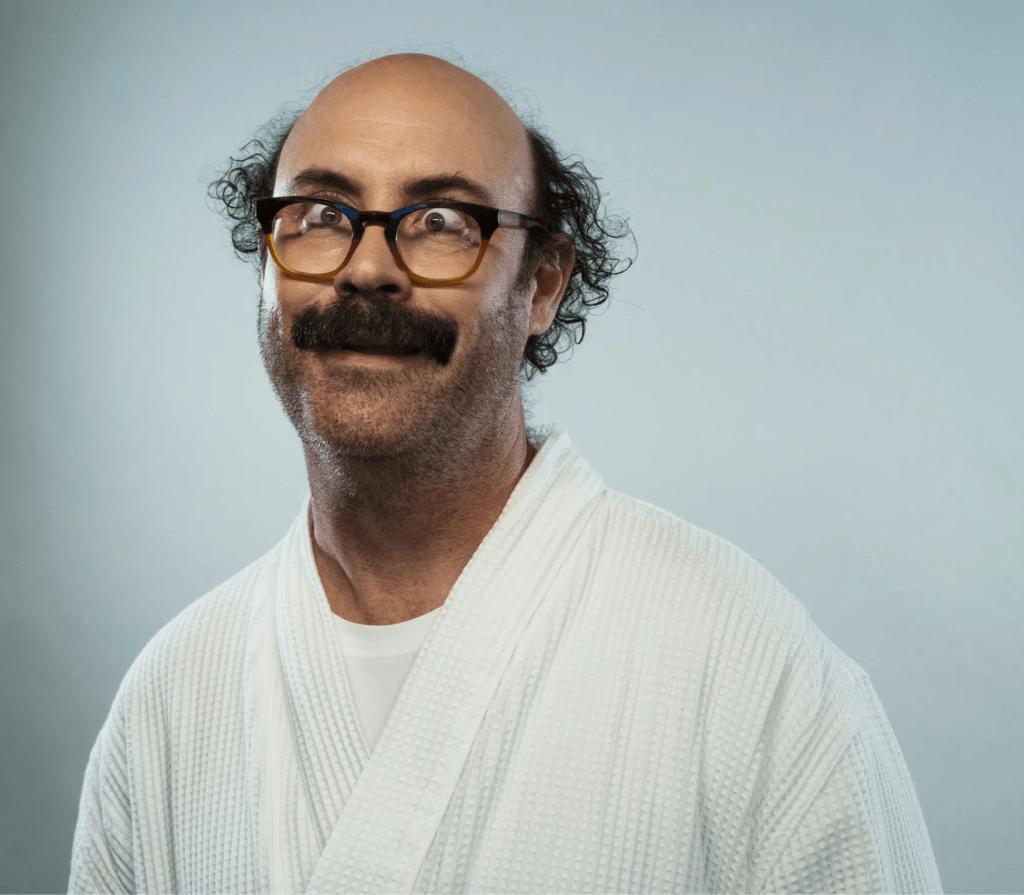
    Sam Simmons is an award-winning comedian and actor, and is known for creating the Silly Billy Walk with his daughter.  

    Hey Sam! Thanks so much for chatting with us. First off, I’m a huge fan of your work! Also, I want to thank you very much as my wife surprised me with a Cameo from you when I was under the weather and it really cheered me up. Okay, enough of me fanboying. Let’s get this interview rolling! 

    1. Where are you from? What was the moment you knew you wanted to be a comedian? What’s your favorite project you’ve worked on and why? 

    Hi Matty, thank you very much for reaching out. I’m a big fan of your goofiness too. I come from the city of Adelaide in South Australia. I guess the closest comparison I found in the U.S. was Albuquerque, New Mexico. It’s a weird place full of lots of odd stories and lots of unsolved murders.

    I think my favorite project is always live, but I had the absolute pleasure to create my own pseudo-weirdo sketch show back in 2012 called Problems. It only ran for four episodes as it confused the commissioners.

    1. What is a Silly Billy Walk for those that don’t know? And what inspired you to use silly walks as a way to connect with people and support their mental health journey?

    The silly walk is a thing I used to do every weekend with my daughter— we would dress up like idiots and walk around the streets. Eventually more and more people asked why we were doing it, and eventually, they joined. Sadly, I don’t do the walk as much as I used to, as my little girl is growing up.

    1. Have you noticed any specific benefits or changes in people’s moods when they try silly walks themselves?

    I think to be silly in life has many benefits, especially reminding yourself of the child you used to be. I think we take life way too seriously these days and silliness provides positives for mental health and overall happiness. No matter what, I will never not be silly.

    1. Do you think there’s a connection between physical humor, like silly walks, and reducing anxiety and stress? Why do you think it works?

    I think any type of playfulness or silliness is totally beneficial to your mental health. I think especially in men, the inability to connect on a more playful level except when drunk poses lots of problems. I know for certain a lot of older men will only ever share feelings with their other male friends when they’re drunk. You don’t need alcohol as an excuse to “get silly.”

    1. How do you balance being funny and keeping things light-hearted while addressing the serious topic of mental health?

    Even though I’ve pretty much retired from live stand-up, I’ll never escape my silly. It’s in my bones. I have funny bones and that is probably why I had such a fantastic career. Sadly, due to an inability to overcome my own anxiety and lack of ego and drive, I find myself withdrawing more and more from the world of entertainment. This is not a bad thing— instead of worrying about where my next paycheck comes from or being on the road for long stretches of time, I’d like to be present for my little girl.

    1. If someone feels too shy or self-conscious to try a silly walk, what advice would you give them to take that first step (or silly step?)

    The best thing about the Silly Billy Walk is the ability to dress up and disguise yourself, and also, you’re surrounded by a group of likewise silly people also probably a bit embarrassed about what they’re doing! But that was the best thing about it— safety in numbers and anonymity (if needed.)

    1. What’s next for you career-wise and where can people find you?

    Not much Matty, we have a pretty tiny market over here in Australia, so I’m just getting along supporting my partner and being a good dad. Hopefully you’ll see me soon in a film called The Deb directed by the very talented Rebel Wilson. I guess that will be screening in 2025. Other than that, you’ll find me making school lunches and being silly in the schoolyard.

    If you’re interested in getting silly with Sam: 

    Instagram: @samthebamsimmons

    IMDb: imdb.com/name/nm3065900/

  • Aaron Foster on Standup Comedy, Mental Health, and Finding Humor in Life’s Struggles

    Aaron Foster on Standup Comedy, Mental Health, and Finding Humor in Life’s Struggles

    Interview by Matty Cardarople / Written answers by Aaron Foster / Edited by Chris Dotson

    I’m so stoked to be interviewing you! We go way back. You’ve been an inspiration of mine ever since we met, as well as a mentor, friend, and supporter. I’m a huge fan of you! And I’m very grateful for you. Also! You’re like the first subscriber to this blog. You’re VIP! 

    Matty! It’s an honor to be your first subscriber. You’re right, we do go way back and thank you for all the kind words and also, right back at you! It’s been such a joy watching literally the kindest human I know have so much success; it truly could not have happened to a nicer guy.

    1. For those that don’t know you, where are you from and what are some of your favorite highlights from your career as an actor and entrepreneur? And what’s inspiring you to take the leap into stand-up? 

    I’m from the San Francisco Bay Area, but have lived all over— Atlanta, Los Angeles, Boulder, and Reno are the main ones, and then a bunch of short-term places in between over the years. 

    Career highlights? Well, which career? I have not only moved around a lot geographically, but career-wise as well. I’ve started businesses in home furnishings, sports nutrition, art, a couple of restaurants— I’ve tried almost everything. Highlights… things I’m proud of include making a living for the last 22 years with my artwork all made out of vintage license plates.

    Acting-wise, certainly my first highlight was hosting my own show on HGTV a very long time ago, but what I’m most proud of is a short film called “Charles Gray” that I made this year that I wrote, directed and acted in. It’s something I’ve wanted to do my whole life but was too intimidated until now. It’s my first time directing. I learned so much and am excited to share it with the world next year. It’s my hope to make a feature in 2025.

    As far as really going full speed ahead with stand-up, it’s something I’ve always loved and always wanted to do, but again, I was too afraid mostly. I did it briefly in 2009, for less than a year. It was okay, but I wasn’t writing about stuff that really meant something to me. When I came back to it a few years ago, I decided I was going to write about my life as honestly as I could and that’s been very freeing and, as it turns out, seems to really resonate with people in a way I wasn’t sure it would.

    1. I love in your stand-up that you talk about your life. How do you decide which personal stories from your life will work best on stage, and do you ever find it challenging to share such vulnerable moments?

    It has taken me a very long time to be able to talk about the stuff that I do (my own depression and anxiety as well as other mental health issues in my family and other super hilarious topics) in a way that works on stage. That is, in a way that is funny. It’s been a long process of trial and error that I’ve done both with an amazing group of comics that I write with and the old favorite of “try it on stage and see what happens.” 

    In the early days when things didn’t work, I had to figure out if it was because it just wasn’t funny, or, as was sometimes the case, I hadn’t made it clear to the audience that, even though I was talking about some dark stuff, it was okay for them to laugh at it. That I was okay. 

    As I’ve started doing longer shows, that has gotten easier and smoother. Dropping jokes about serious mental illnesses or suicide in a five-minute set on a Tuesday night at a club is a lot more challenging (and quite frankly, ill-advised) than doing it 45 minutes into an hour show where people have gotten used to what I do and it’s not as unexpected.

    It has definitely been challenging. Writing what is now my 80-minute show called “Mostly Jokes” is the hardest thing I’ve ever done. But for some reason, it’s less challenging than talking about this stuff in my everyday life and normal day-to-day conversation. I think because on stage, I’m at least somewhat sort of in control of the situation. 

    1. Is there a particular story you’ve shared during your set that had an unexpectedly strong reaction from the audience? What did that moment mean to you?

    Certainly, the story and jokes about my brother committing suicide tend to get the strongest reaction most nights. The first joke I told about it took me sixteen years to write, even though I had the thought almost immediately when it happened. It just took that long to figure out how to make it funny. And let me tell you, not everyone finds it funny.

    I really struggled with that stuff— with whether it was appropriate, whether it was disrespectful, I just wasn’t sure. Sometimes I’m still not. But something made me keep writing about it and it went from one joke to something like fifteen minutes. 

    Early on, when I only had a couple jokes about it, I was close to abandoning it entirely, but for some reason I posted a video of those jokes to a stand-up comedy subreddit. I did so fully expecting to delete it as soon as the negative comments started coming in (I’m fragile!) but to my surprise it went the other way. Don’t get me wrong, there were absolutely some negative comments, but the vast majority were overwhelmingly positive and supportive and it went kinda viral with a few hundred thousand views. 

    Lots of people who had similar experiences posted really positive comments and that was the moment I decided to really lean in and keep working on it. I’m still not sure it’s done, but it’s become kind of the centerpiece of my show. I know it’s not for everyone and I’ve made my peace with that, but I also know the people that like it, probably, maybe, possibly, kind of NEED it, too.  Because people just don’t talk about that stuff. Hell, I didn’t talk about it for seventeen years, either.

    1. How do you strike a balance between keeping your comedy relatable while still staying true to the unique details of your own experiences?

    Sadly, talking about clinical depression, anxiety, loneliness, regret and a challenging childhood and unhealthy family dynamic is a lot more relatable than I would have thought. We all think we live these special, unique lives, but I just don’t think that’s the case. Anytime someone says to me after a show “I totally get what you were talking about!” All I can think is, I’m so sorry! 

    Stand-up is so strange in that the more specifically personal you get, the more universal a topic seems to be, so as much as I think I’m some special person having the most unique experience and there’s no way anyone could ever understand me, when a crowd is totally on board with the fact that I eat pints of ice cream wearing a single left-handed glove that I keep— where else— in my glove compartment, I know we’re all fighting the same battles in one way or another. 

    1. What’s the most meaningful feedback you’ve received from someone who connected with your comedy on a deeper, personal level?

    I performed up in Boise a couple months ago at a great club called The Lounge at the End of the Universe. I was just featuring, not even doing my whole show, so I didn’t get into the really dark stuff, but I had a young guy, early 20s, come up to me after and thank me for talking about having depression as it was something he really struggled with and didn’t know how to talk about it. That meant a lot to me. That doesn’t happen every show, but it happens enough that I know my people are out there. So, even though I never know who it might be during a show, I always try to imagine there’s at least one person like that out there.

    1. Do you find that sharing your real-life stories through comedy is a form of therapy for you, or is it more about helping others process their own lives?

    Hopefully, it’s a bit of both. On the one hand, I’m just cracking jokes so I don’t think I’m having any life-changing effects, but I do think that for me at least, talking about the stuff I do and connecting with people by (mostly) laughing about it, makes me feel a little bit less alone. And even if that only lasts while I’m on stage, that’s still better than not at all. My hope is that one person in the audience can feel (again, even if it’s only for a few minutes,) a little bit less alone, too. 

    Also, for the record: I do also have a bunch of jokes about Paul Rudd, so it’s not all doom and gloom.

    1. What’s next for you? And where can people find you these days? 

    I’ve been touring my show the last few months, around the western US mostly. I’m on a bit of a break right now, but I have lots of shows coming up starting in early 2025 in Tucson, Portland, Salem, Seattle, Bend, Eugene, Bellingham, Vancouver, Bentonville and hopefully more soon. If anyone reading this has a club, a wine bar, a theater, a barn, or a big house and a bunch of friends, hit me up and I’ll come to you.

    All my tour dates and details are at AaronFoster.com or on my IG @AaronCharlesFoster

  • 5 Weekend Activities to Boost Your Mental Health

    5 Weekend Activities to Boost Your Mental Health

    1. Mindful Mornings: Start Your Weekend Right with These Simple Practices

    • Start the morning off with morning meditation, stretching or yoga, enjoying a cup of tea or coffee in silence, or writing down three things you’re grateful for. The idea is to set a positive tone for the weekend ahead.
    Photo by Prasanth Inturi

    2. Weekend Self-Care: Treat Yourself to These Restorative Activities

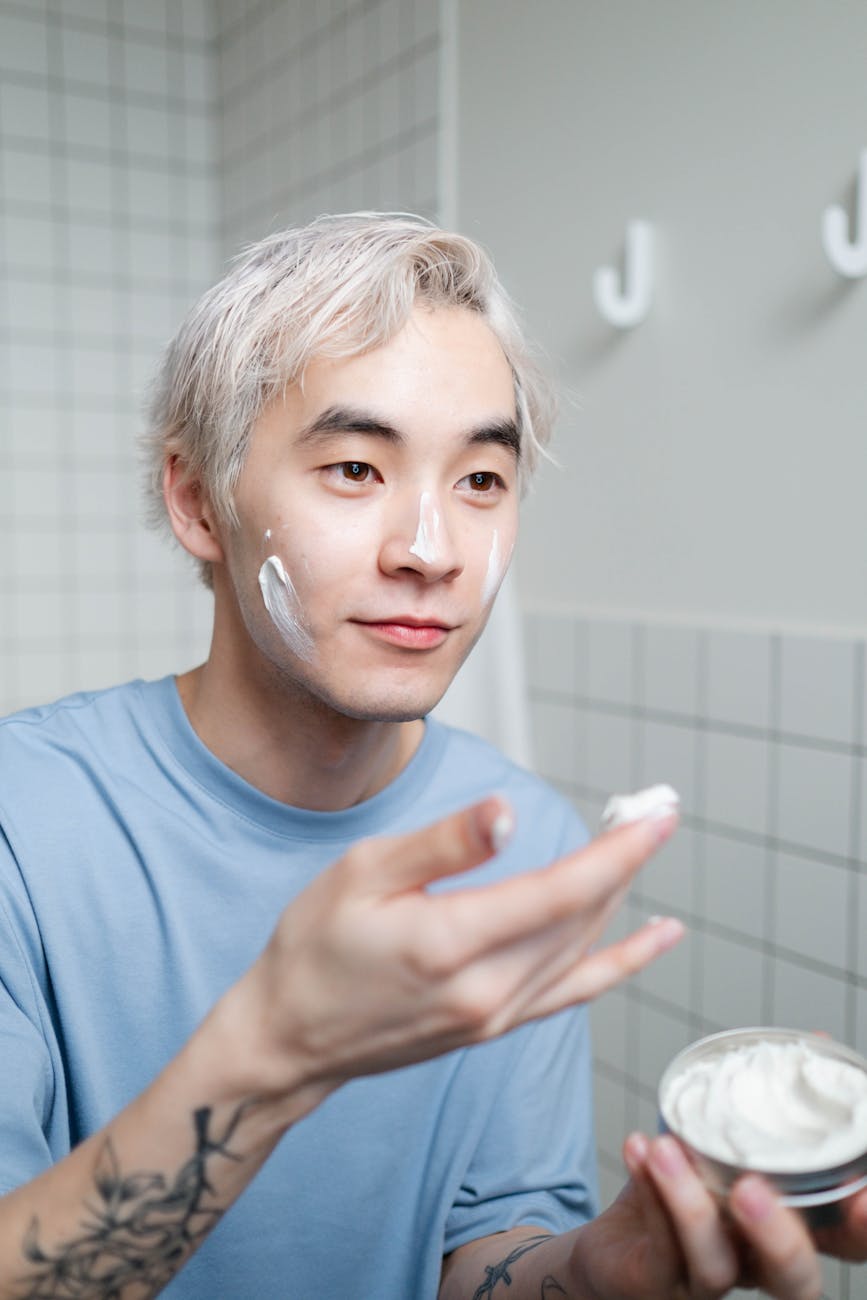
    • Take a long bath, get a massage, do a DIY skincare routine, or spend time with a book or podcast that nourishes the mind. These small acts of care can have big benefits for mental well-being and ctrl alt delete stress. 
    Photo by Ron Lach

    3. Unplug and Recharge: The Mental Health Benefits of a Weekend Digital Detox

    • Unplug from screens over the weekend to refresh your mind. Take a break from social media, turn off notifications, or schedule in screen-free hours— this will help Ctrl Alt Delete stress too and help you practice mindfulness.

    4. Creative Weekend Outlets: How Hobbies and Arts Can Enhance Your Mental Health

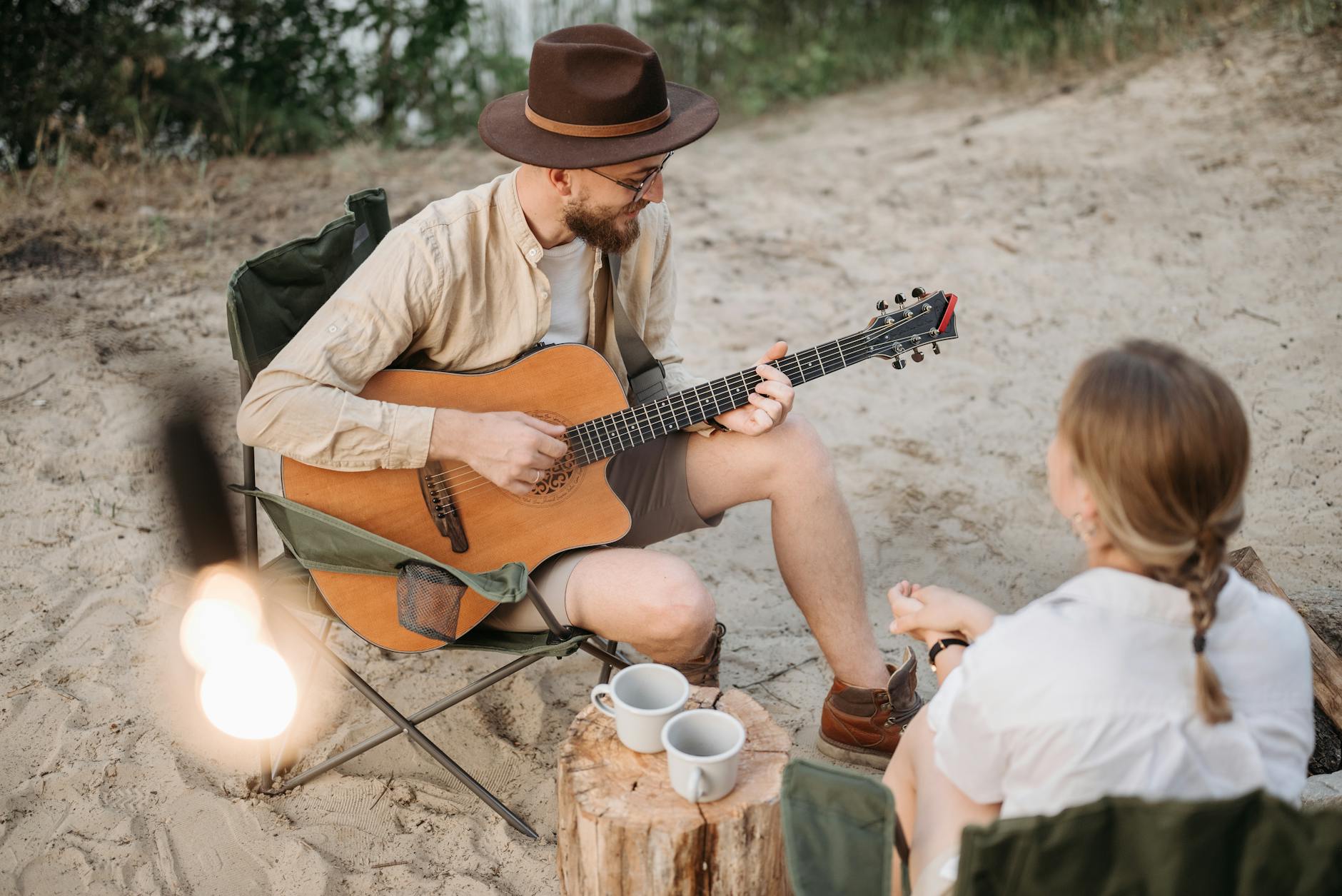
    • Tap into your creative side as a way to boost mental well-being. Activities might include painting, writing, crafting, photography, or playing music. Engaging in creative hobbies can lower anxiety, stress, improve mood, and provide a sense of accomplishment.
    Photo by Pavel Danilyuk

    5. Weekend Movement: Fun Ways to Get Active and Improve Your Mental Health

    • Physical activity over the weekend supports mental health. Try dancing at home, take a new fitness class, go for a bike ride, or play a sport. Movement can combat stress and improve mood. 
    Photo by Andrea Piacquadio

  • Top 10 Fun Activities to Relieve Stress

    Top 10 Fun Activities to Relieve Stress

    1. Dance it Out

    • Put on your favorite upbeat music and dance like nobody’s watching. It’s a fantastic way to release pent-up energy and lift your mood.

    2. Try Laughter Yoga

    • Watch a funny video, share jokes with friends, or try a laughter yoga session. Laughter releases endorphins, reducing stress.

    3. Play Video Games

    • Dive into an engaging video game. It’s a fun escape and can help take your mind off stressors.

    4. Get Artsy

    • Try painting, drawing, or coloring. Creative activities are calming and give you a sense of accomplishment.

    5. Go Outside for a Walk

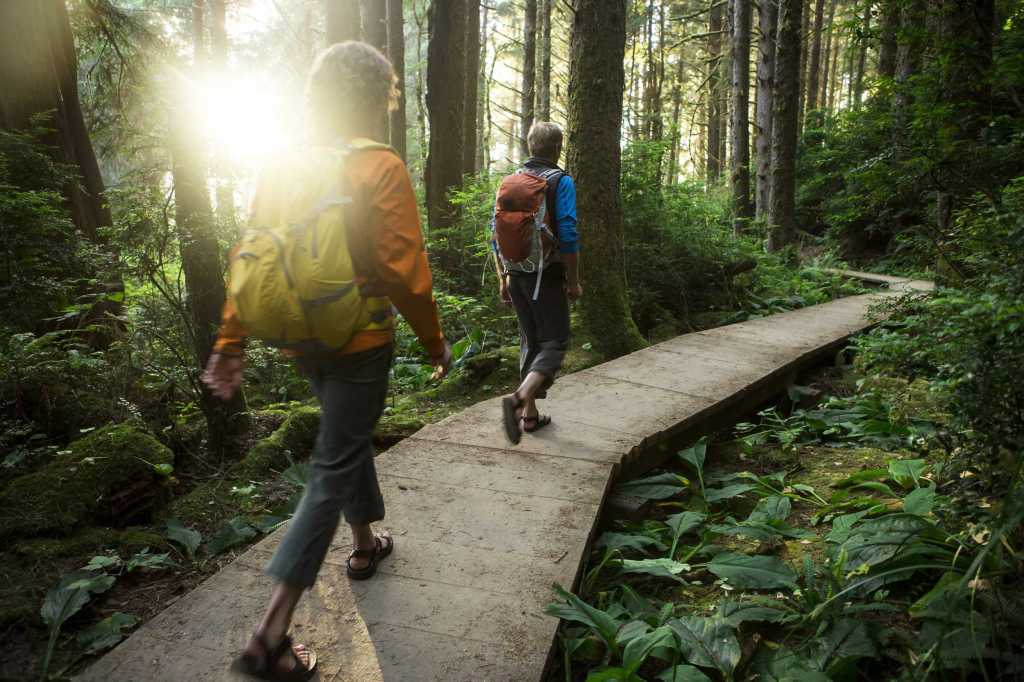
    • Explore a nearby park or nature trail. The fresh air and movement can work wonders on your mood.

    6. Cook Something New

    • Experiment with a fun recipe you’ve never tried before. The process can be both exciting and rewarding.

    7. Have a Karaoke Session

    • Belt out your favorite tunes, even if you’re not a great singer. It’s a stress-reliever and confidence booster.

    8. Try a New Hobby

    • Pick up an interesting hobby like knitting, gardening, or juggling. It can become your go-to stress-relief activity.

    9. Play with Pets

    • Spend time with a furry friend. Playing fetch, cuddling, or simply watching their antics can brighten your day.

    10. Start a Mini Dance Party

    • Invite friends for a spontaneous dance-off or just groove alone. Movement and music are an unbeatable combo for stress relief.

    Ctrl Alt Delete Stress

    Let’s hit CtrL Alt Delete on our stress for our Mental Health.

  • 5 Questions With a Trailblazing Influencer: How Hiking Transformed Andy Neal’s Mental Health

    5 Questions With a Trailblazing Influencer: How Hiking Transformed Andy Neal’s Mental Health

    Interview Questions by Matty Cardarople / Interview Answers written by Andy Neal / Edited by Chris Dotson.

    Howdy, Andy! I’m stoked to be chatting with you. I absolutely love your mission of using hiking and positive motivation to inspire others. Let’s lace up and step into this interview!

    1. Where are you from? And what inspired you to start promoting hiking as a way to improve mental health? Was there a specific moment or experience that sparked your journey?

    I’m from Ventura, California, and Las Vegas, Nevada. I spent most of my childhood and early teen years in Ventura, and my later teen years, high school, early college, and mid-20s in Las Vegas. These days, I call Southern Oregon home.

    My journey of promoting hiking as a tool for mental health began during a transformative period in my 30s. For 15 years, I was a pastor and had gone to Bible college, but in 2017, I made the difficult decision to step away from that life. I left behind a deeply ingrained belief system and decided to go to film school at Southern Oregon University in Ashland. I graduated with honors in 2019, an achievement I’m incredibly proud of.

    After graduating, I found myself at a crossroads. Moving my family—my wife and three kids, all adopted from foster care—to Los Angeles to pursue a film career didn’t feel right. Two of my kids have special needs and endured unimaginable trauma before joining our family. Balancing those challenges and healing from my own experiences in a controlling religious group had taken a serious toll on my mental health.

    That summer, at the suggestion of my therapist, I decided to try hiking as a way to reconnect with something bigger than myself. At first, I was hesitant, but it quickly became one of the best decisions I’ve ever made. That summer of 2019, I fell in love with the outdoors and the way it helped me clear my mind and lift my spirit.

    I started posting about my hikes on social media, and the response was incredible. People connected with my openness about mental health and body positivity. Over the next couple of years, my following grew steadily. By 2021, I began receiving modeling opportunities with brands like Columbia Sportswear and started collaborating with outdoor companies like Eddie Bauer.

    In January 2022, everything changed. I posted a simple, funny video called “Going for a Stupid Hike for My Stupid Mental Health,” and it went viral. In just a few months, my Instagram following skyrocketed from 5,000 to over 150,000. Suddenly, I was able to turn my passion for hiking and mental health into a full-time career as a content creator and influencer.

    It’s been an incredible journey, and it all started with that one hike back in 2019. Hiking has given me a sense of purpose, a way to connect with others, and a platform to share my story and help people prioritize their mental health.

    1. What kind of feedback do you receive from your followers about how hiking has helped their mental health? Do you have a particularly memorable story someone has shared with you?

    The feedback I’ve received from my followers has been both humbling and inspiring. People often tell me how seeing someone like me—plus-size, openly discussing mental health—gives them permission to embrace the outdoors without fear of judgment. I think what resonates most is the idea that they’re not alone in their struggles and that healing can begin with something as simple as stepping onto a trail.

    One story that stands out happened in downtown Portland. My wife and I were at a hotel valet when the attendant kept glancing at me. Finally, he approached and said, “Andy, you don’t know me, but I follow you, and your videos have changed my life. I started hiking, and it’s been transformative for my mental health.”

    Hearing those words in the middle of the city’s hustle and bustle, with horns honking and people rushing by, reminded me why I do this. He had tears in his eyes, and in that moment, it hit me how impactful even my simplest videos can be. There are dozens of stories like his, but moments like those, where I can connect with someone face-to-face, mean the world to me.

    1. Are there any trails or natural destinations that you consider especially therapeutic or uplifting? What makes them stand out to you?

    Anything with a waterfall. I’m a waterfall chaser, even though TLC told us in the ’90s not to go chasing waterfalls! There’s something about standing next to one—the sound of crashing water, the cool mist on my face—it’s like nature’s reset button.

    One of my favorites is Pearsony Falls, near Crater Lake National Park here in Oregon. It’s a short hike, but it’s incredibly serene, especially in the winter when the snow adds a magical touch. I could sit there for hours, listening to the water and watching it cascade over the rocks. There’s something about waterfalls that always reminds me to keep moving forward, no matter how turbulent life gets.

    4. Hiking can be physically and emotionally challenging at times. How do you stay motivated, and what advice would you give to someone struggling to start?

    My biggest motivator is my wife, Lindsey. Whenever I’m doubting myself, she reminds me, “You’re going to be glad you did it.” And she’s always right—I’ve never regretted a hike. Even on days when the view is fogged in or the trail is tougher than I expected, the act of moving my body through nature clears my mind and lifts my spirit.

    For anyone struggling to start, I’d say: find your ‘why.’ Whether it’s for physical health, mental wellness, or simply connecting with nature, your reason will guide you. Not every hike needs to be a major trek—sometimes, just sitting by a river or walking through a park can be enough. For me, hiking is about connecting to something bigger than myself, and I always feel better afterward, both physically and mentally.

    5. For someone new to hiking who wants to use it as a tool for mental wellness, what are three essential tips or pieces of advice you’d recommend?

    Start Slow: You don’t need to conquer a 10-mile trail on your first outing. Begin with short hikes or even walks through green spaces nearby. Apps like AllTrails can help you find beginner-friendly paths in your area.

    Avoid the Comparison Trap: Social media can make hiking look glamorous and unattainable, but don’t let that discourage you. Hiking isn’t about looking a certain way or ticking off bucket-list trails—it’s about your personal journey. Focus on what works for you.

    Keep It Affordable: Hiking can feel intimidating when you see expensive gear in stores, but you don’t need to break the bank. Check out secondhand options on Facebook Marketplace or REI’s used gear section. Start with basics, and invest gradually as you figure out what you need. The goal is to enjoy nature, not stress over having the “perfect” setup.

    Remember, hiking is about finding peace, connecting with the outdoors, and fostering your mental and physical health. It’s not about miles or gear; it’s about the journey—and your journey is worth it.

    To follow Andy’s hiking journey and to see more waterfalls 🙂

    Instagram: www.instagram.com/andyfilmsandhikes

    TikTok: https://www.tiktok.com/@andyfilmsandhikes 

    YouTube: https://youtube.com/@andyfilmsandhikes 

    The Hiker Podcast: www.hikerpodcast.com

    Portfolio: www.andyfilmsandhikes.com